

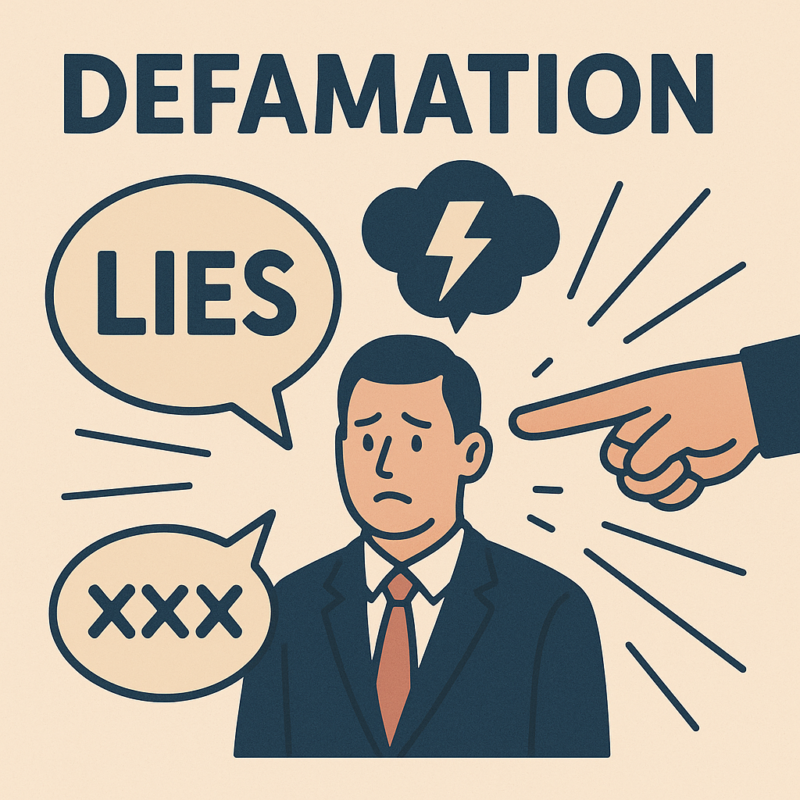
In today’s digital world, information spreads faster than ever. A single social media post, online review, or message in a community group can reach thousands of people in minutes. While technology can be a useful tool, it also increases the risk of serious reputational harm when false statements are published. At Song Law Office, our experienced Alberta defamation lawyers help clients who have been defamed or accused of defamation. This guide explains what defamation is, the legal defences, and the remedies available under Alberta law.
What Is Defamation in Alberta?
Defamation occurs when a false statement harms a person’s or business’s reputation. In Alberta, defamation falls into two categories:
- Libel – written or recorded statements (e.g., online reviews, blogs, emails, social media posts).
- Slander – spoken statements that harm someone’s reputation.
For a statement to be legally defamatory, it must:
- Be published to at least one person other than the target.
- Refer to the plaintiff.
- Be defamatory, meaning it would lower the person’s reputation in the eyes of a reasonable member of the public.
Unlike other legal claims, defamation does not require proof of financial loss; courts presume reputational harm once the elements are satisfied.
Common Examples of Defamation in Alberta
Online Reviews
Negative reviews are permitted when they reflect honest opinions or truthful experiences. However, posts containing false allegations—such as accusations of fraud or misleading statements—may be considered defamatory. In some cases, defamation can also involve unlawful interference with business relations, such as spreading false information that causes clients or partners to terminate contracts or avoid doing business with you.
Social Media Posts
Facebook, Instagram, TikTok, and WeChat often amplify defamatory statements. Posts intended to “warn others” or spread gossip can cross the legal line and trigger online defamation claims.
Workplace Conflicts
Unfounded allegations from current or former employees regarding misconduct or illegal practices may be defamatory if knowingly false and harmful.
Personal Relationship Disputes
Family disputes, friendship breakdowns, or romantic relationship conflicts sometimes result in defamatory messages or online posts.
Defences to Defamation
Not all harmful statements are legally defamatory. Alberta defamation lawyers rely on these key defences:
- Truth (Justification) – True statements are never defamatory.
- Fair Comment – Protects opinions on matters of public interest if based on facts and expressed honestly.
- Privilege – Statements made during court proceedings or to authorities in good faith are protected.
- Responsible Communication – Protects publications on matters of public importance if due diligence is exercised.
What To Do If You Have Been Defamed
Preserve Evidence
Save screenshots, messages, and URLs. Online content disappears quickly, so early preservation is crucial.
Avoid Emotional Responses
Engaging publicly can worsen the situation and weaken your legal case.
Seek Legal Advice Promptly
An experienced Alberta defamation lawyer can determine whether the statement qualifies as defamation and recommend next steps.
Consider Cease-and-Desist Letters
A well-crafted legal letter may prompt removal of the defamatory content and an apology.
A Caution About Cease-and-Desist Letters
If you do not plan to sue the defamer, sending a formal letter is often not recommended. It can escalate the conflict, provoke additional defamatory statements, or signal an unwillingness to follow through. Always consult a lawyer first.
Consider Litigation if Necessary
If informal resolution fails, filing a defamation claim in Alberta courts may be appropriate.
Available Remedies in a Defamation Claim
Courts in Alberta can provide multiple remedies for defamation:
General Damages
Awarded for harm to reputation, reflecting emotional and reputational impact even without direct financial loss.
Compensatory Damages
Reimburse actual losses caused by the defamatory statement, including lost income or business opportunities.
Punitive Damages
Awarded in cases involving malice, deliberate intent, or reckless disregard, intended to punish and deter future wrongdoing.
Injunctions
Courts can order the defamer to remove harmful content or stop further defamatory publications, especially important for online defamation cases.
If You Are Accused of Defamation
Being accused of defamation can be stressful. Key steps include:
- Do not delete posts or messages without legal advice.
- Avoid public responses, which can escalate conflict.
- Identify whether your statements are opinion or factual.
- Contact an Alberta defamation lawyer immediately to explore potential defences.
Why Hire Song Law Office for Defamation Matters
Defamation law is highly technical. Courts examine wording, context, and public interpretation. Even small phrasing differences can impact outcomes.
At Song Law Office, our Alberta defamation lawyers assist clients with:
- Drafting cease-and-desist letters
- Negotiating retractions and apologies
- Filing or defending defamation claims
- Resolving online review disputes
- Protecting personal and business reputations
Your reputation is one of your most valuable assets, and professional legal guidance is critical.
Final Thoughts
Defamation can cause long-lasting personal, professional, and financial harm. Understanding your legal rights and remedies is essential if you have been defamed or are defending against an allegation.
For confidential advice and effective legal representation, contact Song Law Office, your trusted Alberta defamation lawyers.

Disclaimer
This blog is provided by Song Law Office for general informational purposes only and does not constitute legal advice. Reading this article does not create a lawyer-client relationship. For advice about your specific situation, please consult a qualified lawyer.